
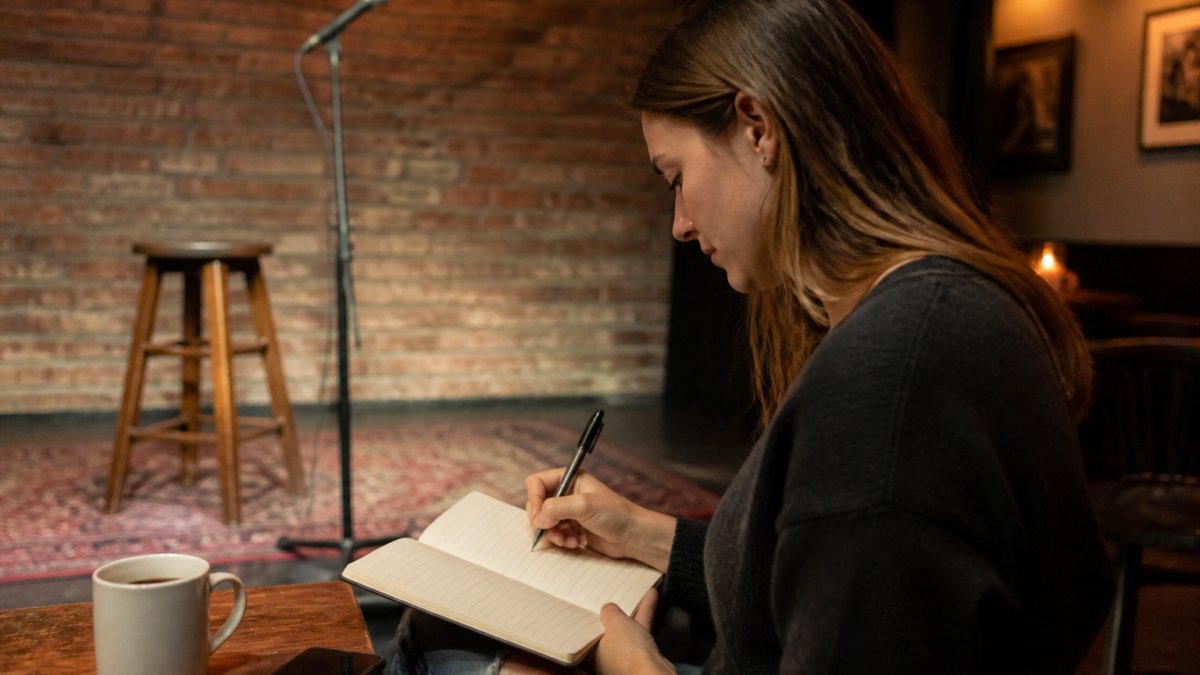
Your first open mic is a chance to try performing in a shared space. Start with a manageable set and find out how that particular night works. There is no universal song allowance, sign-up system or equipment list.
Check the session before you go
Browse open-mic opportunities on LL1.LIVE, then confirm the current date and arrangements with the host or venue. A recurring listing is a lead to check, not a guarantee that the next session is running.
Ask how to sign up, whether advance booking is needed, when performers should arrive and whether there are age or entry restrictions. Check access facilities directly if you need them. If places are limited, ask whether signing up guarantees a slot or puts you on a waiting list.
Choose material that fits your slot
Find out the time limit and whether it includes setting up and introductions. Choose material you feel comfortable performing within that allowance. Ask whether the session welcomes originals, covers, spoken word or your intended format; do not assume every open mic follows the same rules.
Practise the beginning, ending and transitions as well as the main song. Time a complete run with your introduction. Keep an alternative ready if useful, but do not extend your slot without the host’s agreement. A mistake during practice is something to work on, not an automatic reason to abandon a song.
Agree the equipment arrangements
Confirm what is provided and what you need to bring. Ask about microphones, stands, instrument connections and any shared instruments. If you use a backing track, check that tracks are allowed and agree the playback method beforehand.
Bring the equipment you have agreed with the host, with instruments tuned and batteries or cables checked. Do not assume there will be time for a full soundcheck. Follow the host or sound operator’s instructions when connecting, moving or adjusting shared equipment.
Make the first appearance manageable
You can visit as an audience member before deciding to perform. Watching a session helps you understand its pace and how the host introduces people. Tell the host it is your first time if you would find their guidance useful.
Prepare a short introduction with your name and the piece you are performing. Aim to complete the set you prepared rather than judge the whole experience by one uncertain note. If you lose your place, pause and restart at a point you know, or ask the host for help. You can also choose to watch and return another time.
Share the room and plan what comes next
Listen to other performers, respect their time and thank the host. Ask before borrowing equipment or recording someone else. If you want footage of your own set, agree it with the organiser and the person filming, and check before posting images of other people.
Afterwards, note one thing that worked and one thing to practise. If you want a public home for your music and official links, request an artist or band page through LL1.LIVE’s guided process. For other local shows, explore the gig guide and confirm details with the organiser.
Frequently Asked Questions
What should I bring to an open mic night?
Bring the instrument and accessories agreed with the host. Confirm what the venue provides, whether backing tracks are allowed and how any playback should connect. Check cables, tuning and batteries before leaving.
How can I make my first open mic feel more manageable?
You can visit as an audience member first, prepare a short introduction and choose a set you feel comfortable with. Let the host know it is your first time if you want guidance. You can choose to watch and return another time.
How many songs should I prepare for an open mic?
Ask the host for the song or time allowance, including setup and introductions. Prepare material that fits it and an alternative if helpful. Do not assume a fixed number of songs or extend your slot without agreement.