HOW THEY LIVED. HOW THEY MADE MUSIC. WHY IT STILL MATTERS.
Real photographs. Human stories. The artists, bands, composers and voices who changed what music could be—and the ideas still moving through every new stage.
01 CELEBRATE THE LIFE IN THE MUSIC02 FACT-CHECK THE STORY03 USE REAL, RIGHTS-LABELLED PHOTOGRAPHY04 NO GOSSIP. NO AI PORTRAITS.
NOT AN OBITUARY WALL · A LIVING MUSIC LIBRARY
A LEGEND IS AN IMPACT, NOT A GENRE.
Rock & roll, punk, soul, jazz, blues, pop, metal, reggae, classical music, opera and the movements still being born: this collection follows the people who opened a door for everyone after them.
THE OPENING COLLECTION · 239 STORIES
FIND A VOICE. FOLLOW THE INFLUENCE.
Search by artist, instrument, sound or idea. Open any portrait for the short story and the musical detail worth carrying forward.
Opening with 24 stories · loading the full 239-story collection
01Songwriter · voice · imagination
John Lennon
He helped turn the pop song into a place for wit, vulnerability, experiment and hope.
READ THE STORY+
HOW THE MUSIC MOVED
From Liverpool clubs to the Beatles' astonishing studio years and his direct solo writing, Lennon kept testing what a song could say and how a record could sound. His instinct for unforgettable melody sat beside restless curiosity and a belief that music could ask society to imagine something better.
WHAT STILL ECHOES
The candid lyric, the fearless studio idea and the artist using a song to start a bigger conversation.
A force of nature onstage whose voice, movement and courage made every comeback feel like a new beginning.
READ THE STORY+
HOW THE MUSIC MOVED
Turner built her musical language from gospel, rhythm-and-blues, soul and rock, singing with a rasp that could carry both tenderness and enormous physical energy. Her solo ascent in the 1980s was not nostalgia: it was a complete artistic renewal, led by the landmark Private Dancer and a commanding new visual identity.
WHAT STILL ECHOES
The live performer as pure momentum—and proof that an artist can take authorship of the next chapter and make it bigger than the last.
A modern artist turning hard-won independence into fearless, genre-fluid songwriting.
READ THE STORY+
HOW THE MUSIC MOVED
RAYE spent years writing for other performers while developing a voice that moves naturally through pop, R&B, jazz, dance and torch-song drama. Her independently released debut album placed candid storytelling and musical range at the centre, and her record-setting 2024 BRIT Awards night marked a remarkable new chapter.
WHAT STILL ECHOES
A new model of creative ownership—and proof that contemporary legend can begin with the courage to tell the story in your own form.
A largely self-taught guitarist who heard the electric instrument as an orchestra, laboratory and voice.
READ THE STORY+
HOW THE MUSIC MOVED
Hendrix learned by listening, practising and performing on the road, then transformed feedback, distortion, studio layering and fluid rhythm playing into a new vocabulary. His technique mattered because it served imagination: blues roots could open suddenly into psychedelia, tenderness or controlled noise.
WHAT STILL ECHOES
The electric guitar as a source of colour and space—not just solos—and the studio as part of the instrument.
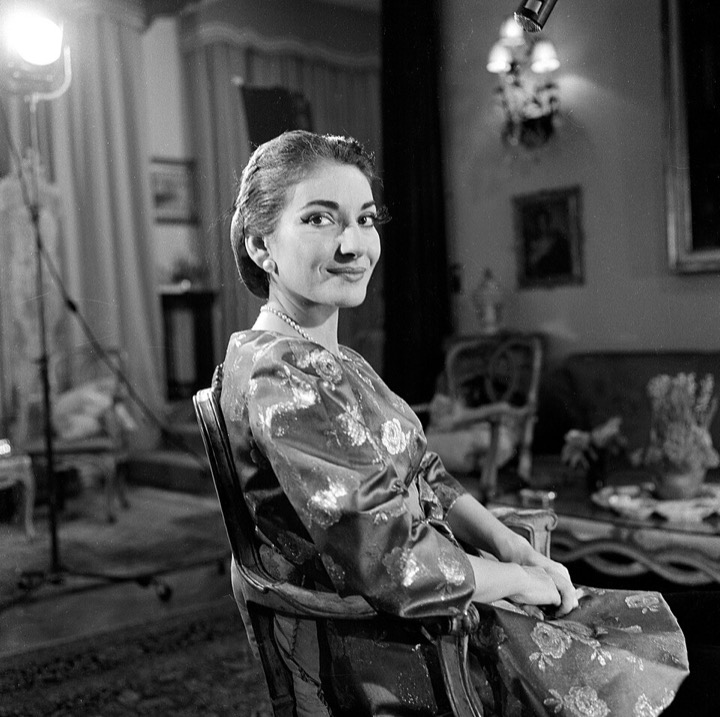
She made technique serve character so completely that an aria could feel like a whole life unfolding.
READ THE STORY+
HOW THE MUSIC MOVED
Callas revived demanding bel canto roles and approached opera through text, dramatic truth and a huge palette of vocal colour. Rather than aiming for prettiness alone, she used every shade of the voice to reveal motive, conflict and transformation.
WHAT STILL ECHOES
Opera as total theatre: the singer not simply producing beautiful sound, but thinking and acting through music.
He carried reggae's heartbeat and a language of dignity, resistance and togetherness around the world.
READ THE STORY+
HOW THE MUSIC MOVED
With the Wailers, Marley joined Jamaican rhythm, memorable melody and spiritually grounded writing in songs that travelled far beyond their birthplace. The global reach never erased the music's roots: bass, drums, guitar skank and vocal harmony remained the foundation.
WHAT STILL ECHOES
Local truth becoming universal without losing its accent—and music offering both movement and meaning.
Photo: Dennis Morris; Distributed by Island Records · Public domain
07Rock & roll · voice · performance
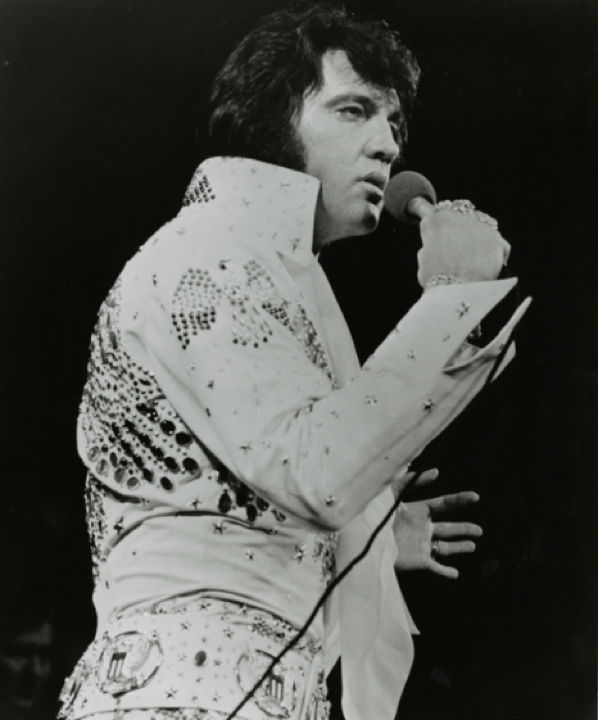
Elvis Presley
A magnetic interpreter whose voice and movement helped rock & roll reach a mass audience.
READ THE STORY+
HOW THE MUSIC MOVED
Elvis drew openly from gospel, blues and country, then delivered that mixture with a presence television could not ignore. His early Sun recordings captured the snap of a new youth culture, while the richness of his later voice showed how much musical feeling sat beneath the phenomenon.
WHAT STILL ECHOES
The meeting point between gospel lift, country storytelling, rhythm-and-blues energy and star-making performance.
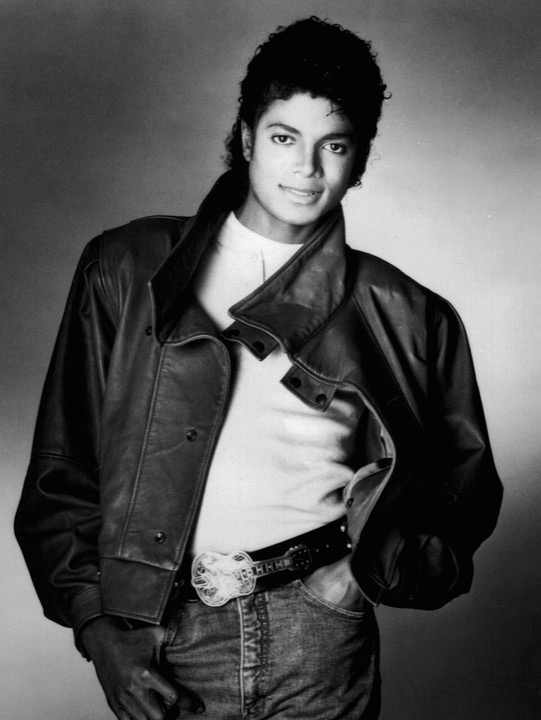
He treated every beat, step, short film and live entrance as part of one complete work.
READ THE STORY+
HOW THE MUSIC MOVED
Growing from a gifted child performer into a meticulous solo artist, Jackson used rhythm, vocal percussion, choreography and cinematic music videos to make pop feel global and event-sized. His records joined extraordinary technical precision to melodies that travelled across languages and generations.
WHAT STILL ECHOES
The modern pop spectacle: sound, dance, fashion and film moving as one.
Photo: Matthew Rolston; Distributed by Epic Records · Public domain
09Pop · reinvention · creative control
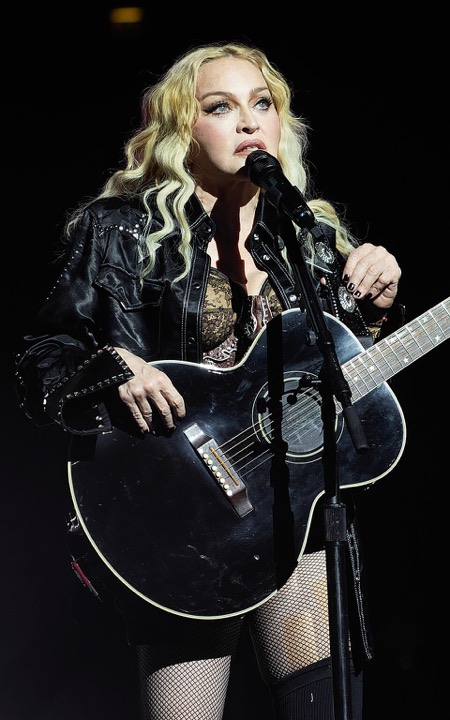
Madonna
She made reinvention itself an artistic language and kept authorship at the centre of pop stardom.
READ THE STORY+
HOW THE MUSIC MOVED
Madonna arrived through New York's club culture and repeatedly rebuilt her sound and image without surrendering the point of view behind them. Dance music, provocative theatre, intimate songwriting and exact visual direction became tools for testing what a female pop artist could control and express.
WHAT STILL ECHOES
The blueprint for the self-directed pop era: each album a new world, each performance a statement.
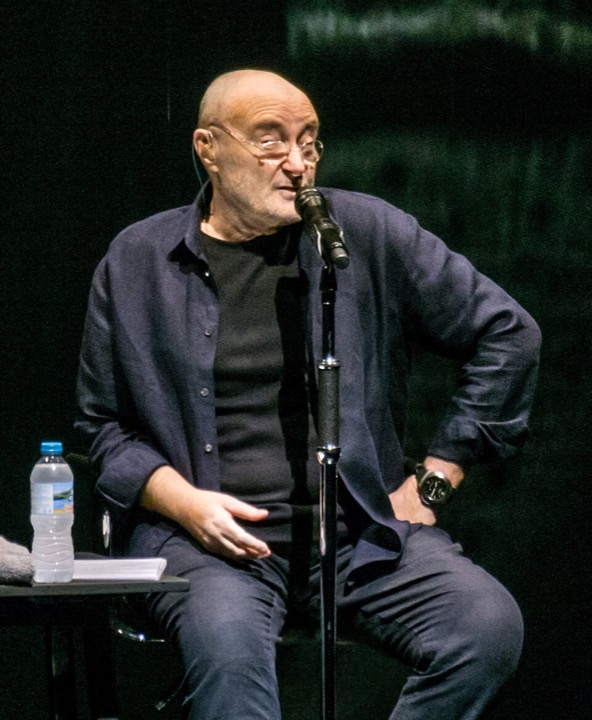
A drummer who became one of pop's most recognisable singers without losing his rhythmic identity.
READ THE STORY+
HOW THE MUSIC MOVED
Collins moved from the drum stool in Genesis to the front of the stage, then built a solo language from candid writing, soulful phrasing and enormous drum sound. The famous gated-reverb impact was only part of it: his best songs make private emotion feel immediate and communal.
WHAT STILL ECHOES
The dramatic drum entrance, the conversational lyric and the rare bridge between progressive rock and worldwide pop.
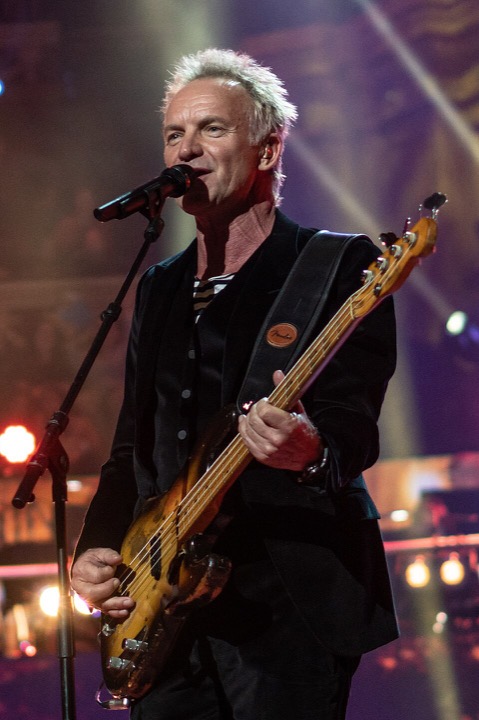
He carried the tension of punk-era rock into songs shaped by jazz, reggae, literature and space.
READ THE STORY+
HOW THE MUSIC MOVED
With the Police, Sting made spare arrangements feel urgent: bass, drums and guitar leaving room for rhythmic surprise. His solo work widened the frame through jazz players, global collaborations and carefully constructed lyrics, while his unmistakable voice kept the thread intact.
WHAT STILL ECHOES
Economy, syncopation and literate songwriting—proof that a huge chorus can still leave air around every instrument.
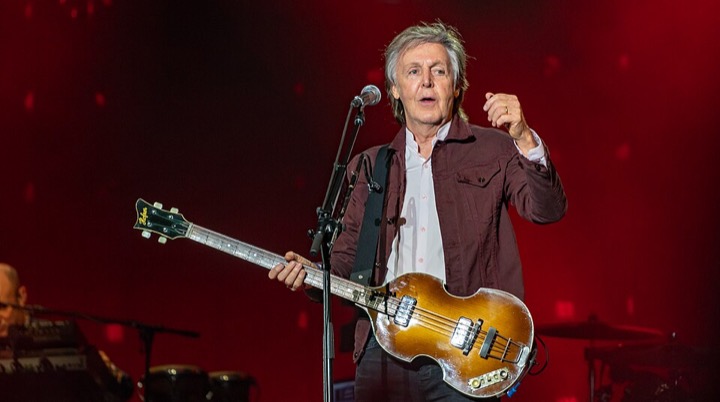
One of popular music's great melodists, always ready to begin again with another tune.
READ THE STORY+
HOW THE MUSIC MOVED
McCartney's Beatles songs could be tender, playful, theatrical or thunderous, often carried by bass lines that behave like melodies of their own. Wings, solo records, classical projects and decades of live performance reveal the same impulse: curiosity matched by the craft to make a difficult idea sound effortless.
WHAT STILL ECHOES
Melodic bass, structural invention and the generous belief that sophisticated music can belong to everyone.
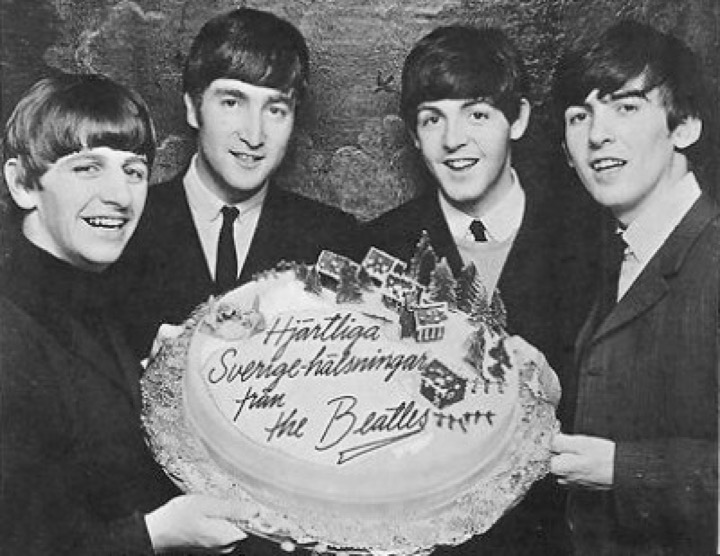
Four distinct musical personalities who changed the speed and scale of popular-music invention.
READ THE STORY+
HOW THE MUSIC MOVED
The Beatles grew in Liverpool and Hamburg, mastered the pressure of live performance, then turned the recording studio into an instrument. Lennon, McCartney, Harrison and Starr compressed folk, soul, Indian music, tape experiment, classical colour and irresistible pop into a catalogue that still teaches musicians how ideas can connect.
WHAT STILL ECHOES
The self-contained band as writers, performers and studio explorers—and the album as a complete artistic statement.
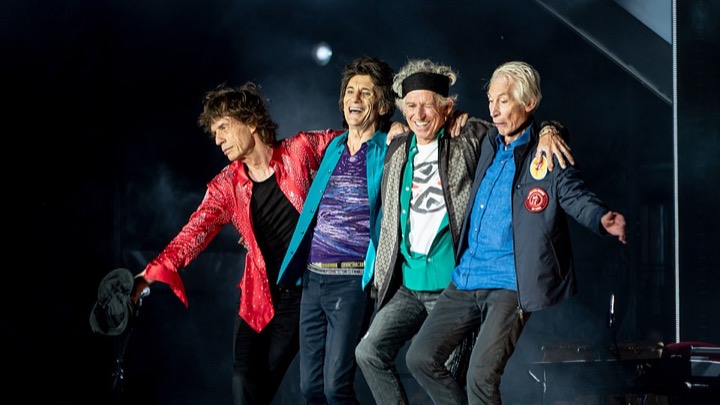
They carried a fierce love of American blues into a swaggering language recognisably their own.
READ THE STORY+
HOW THE MUSIC MOVED
The Stones began by championing blues and rhythm-and-blues songs, then Jagger and Richards developed one of rock's defining writing partnerships. Keith Richards's open spaces, Charlie Watts's poise and the band's appetite for the stage created music that feels loose, dangerous and precisely balanced at once.
WHAT STILL ECHOES
The riff, the groove and the idea that a rock band can keep renewing its relationship with a live audience.
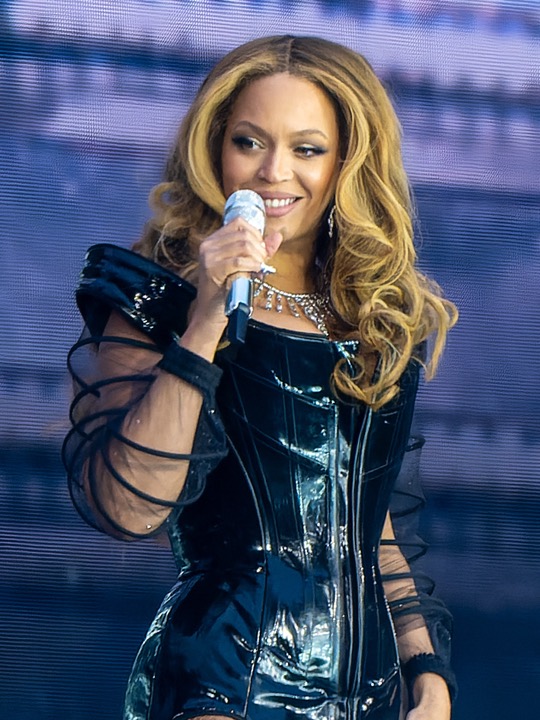
A complete performance artist who turns vocal mastery, research and visual detail into cultural events.
READ THE STORY+
HOW THE MUSIC MOVED
From Destiny's Child to ambitious solo albums, Beyoncé has kept expanding the scale of mainstream R&B and pop. Layered vocals, exact choreography, live musicianship and deep engagement with Black musical history make her work both immediate entertainment and carefully constructed authorship.
WHAT STILL ECHOES
The album as world-building, the concert as precision theatre and the lead vocalist as arranger, athlete and storyteller.
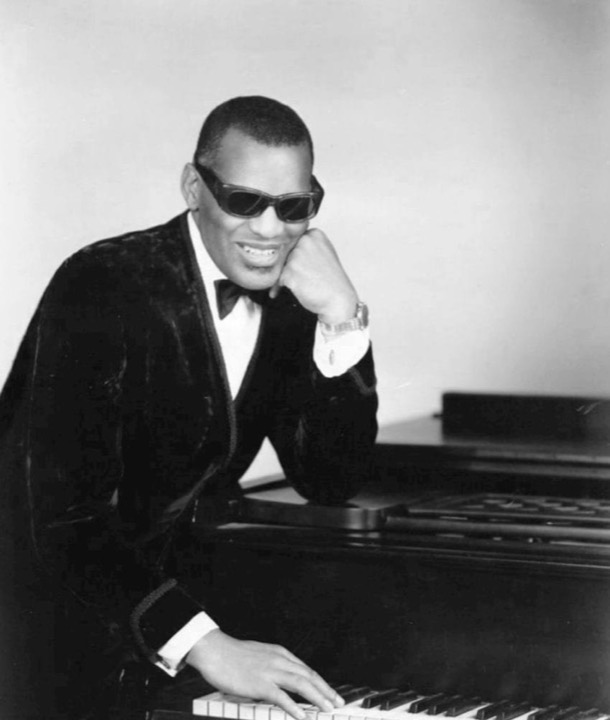
He brought gospel intensity, blues truth and jazz freedom into a voice that could inhabit almost any song.
READ THE STORY+
HOW THE MUSIC MOVED
Charles made the sacred and secular speak to each other, shaping the vocabulary of soul while refusing to stay inside one market. His piano, phrasing and arranging moved confidently through R&B, jazz, pop and country, revealing connections the record business often kept apart.
WHAT STILL ECHOES
The freedom to cross genres without diluting any of them—and a vocal phrase that sounds lived rather than merely sung.
Photo: William Morris Agency (management)/Photo by Maurice Seymour, New York. · Public domain
17Songs · synthesisers · radiant invention
Stevie Wonder
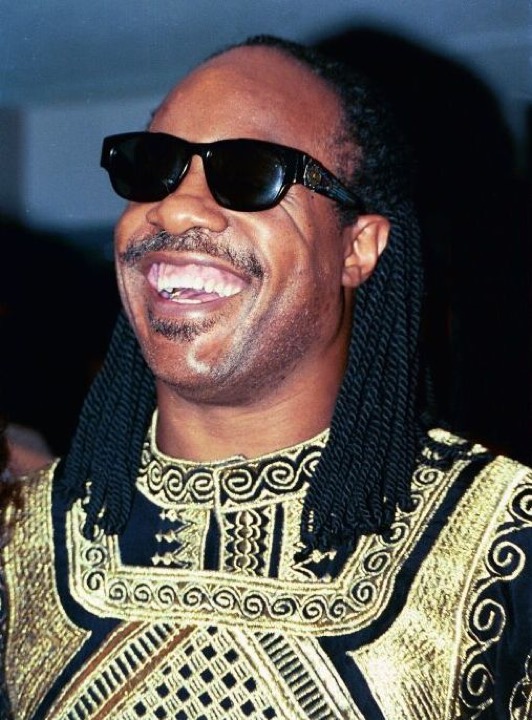
A composer, singer and multi-instrumentalist who made technological experiment feel deeply human.
READ THE STORY+
HOW THE MUSIC MOVED
Wonder grew from Motown prodigy to an artist with unusual control over writing, playing and production. In his landmark 1970s run, synthesisers, clavinet, layered vocals and social observation served songs overflowing with groove and melody rather than novelty.
WHAT STILL ECHOES
The studio as an extension of one musician's imagination—and joy, protest, romance and invention sharing the same record.
Photo: Kingkongphoto & www.celebrity-photos.com from Laurel Maryland, USA · CC BY-SA 2.0
18Cello · intensity · interpretation
Jacqueline du Pré
Her playing made classical interpretation feel immediate, physical and startlingly alive.
READ THE STORY+
HOW THE MUSIC MOVED
Du Pré brought fearless energy and a singing tone to the cello, forming an especially powerful connection with Elgar's Cello Concerto. Her performances remind listeners that a score is not a museum piece: it becomes new whenever an interpreter commits imagination, risk and personality to every phrase.
WHAT STILL ECHOES
The performer as co-creator—technical command transformed into emotional communication.
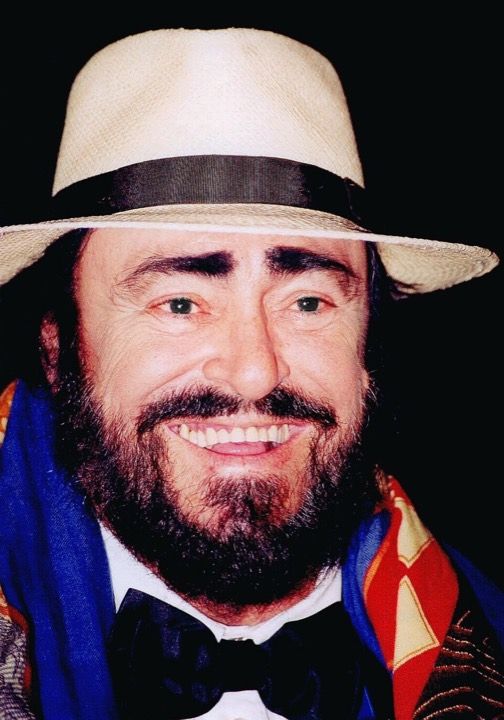
A radiant tenor who could make operatic technique feel welcoming to an enormous public.
READ THE STORY+
HOW THE MUSIC MOVED
Pavarotti combined clarity at the top of the voice with open-hearted Italian phrasing and a natural connection to audiences. Opera houses established his artistry; broadcasts, concerts and the Three Tenors carried that sound far beyond them without hiding the discipline on which it rested.
WHAT STILL ECHOES
Bel canto line, thrilling high notes and the ability to invite a first-time listener into opera within a single phrase.
Photo: Kingkongphoto & www.celebrity-photos.com from Laurel Maryland, USA · CC BY-SA 2.0
20Opera · range · dramatic musicianship
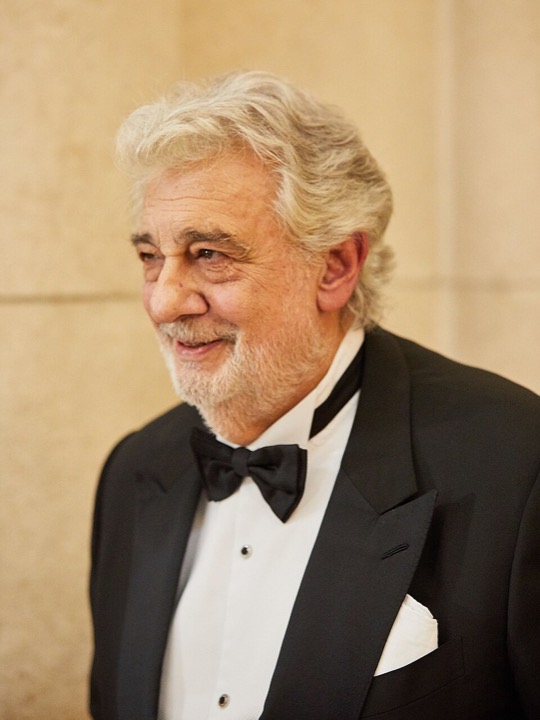
Plácido Domingo
A stage musician whose repertory, languages and dramatic commitment stretched across an exceptional range.
READ THE STORY+
HOW THE MUSIC MOVED
Domingo built his career through stamina, curiosity and close attention to character, taking on a vast repertory and later moving into baritone roles and conducting. Alongside Pavarotti and Carreras, the Three Tenors showed how operatic voices could command a stadium while retaining their theatrical roots.
WHAT STILL ECHOES
The singer as dramatic actor and lifelong musical learner, always looking beyond a single comfortable role.
Photo: Fotografías - archimadrid.es · CC BY-SA 2.0
21Tenor · lyric colour · ensemble spirit
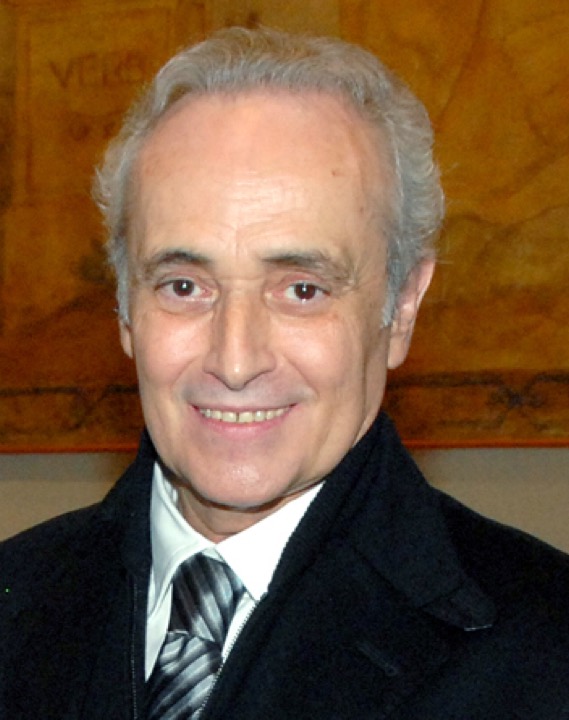
José Carreras
A tenor prized for warmth, lyric beauty and the emotional directness of his phrasing.
READ THE STORY+
HOW THE MUSIC MOVED
Carreras became closely associated with Verdi, Puccini and the lyric-spinto repertory, bringing elegance and urgency to the stage. The Three Tenors partnership added a rare sense of camaraderie to classical crossover and introduced millions to the individuality of three great voices.
WHAT STILL ECHOES
The human colour inside virtuoso singing—and the excitement created when distinct artists share rather than compete for the stage.
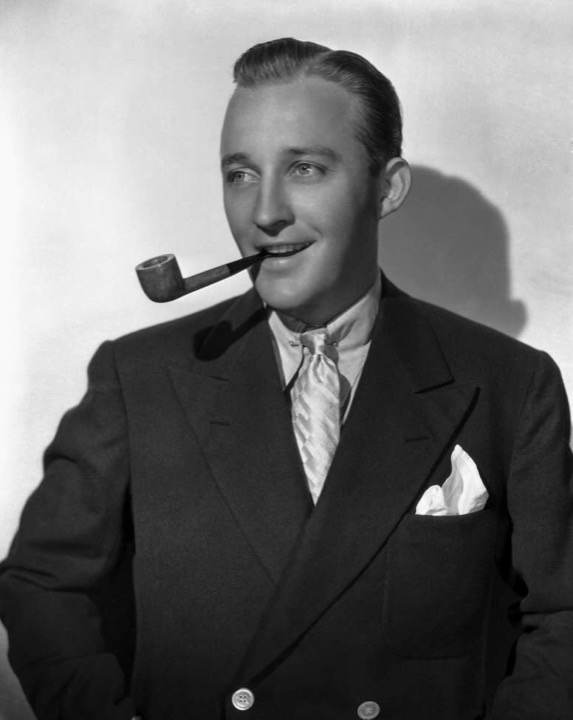
He understood that the microphone could turn singing from projection into conversation.
READ THE STORY+
HOW THE MUSIC MOVED
Crosby's relaxed timing and warm baritone helped define crooning, a style made possible by electrical recording and radio. He was also an early champion of magnetic-tape production, recognising that technology could improve both performance and the way programmes were made.
WHAT STILL ECHOES
Intimacy, rhythmic ease and the recorded voice speaking to one listener at a time.
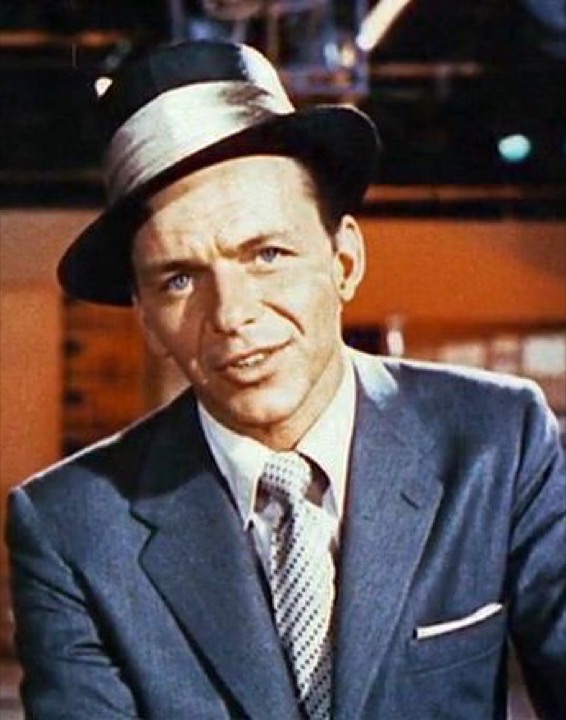
He treated a popular song like a dramatic monologue, shaping breath and rhythm around every word.
READ THE STORY+
HOW THE MUSIC MOVED
Sinatra learned from big-band singers and instrumentalists, then developed an approach where long breath, conversational timing and close work with arrangers made standards feel personal. His great albums understood sequencing and mood long before the modern concept-album era.
WHAT STILL ECHOES
Phrasing as storytelling—and the singer, arranger and orchestra building one emotional point of view.
Photo: Columbia Pictures Corporation · Public domain
24Trumpet · swing · joyful invention
Louis Armstrong
A revolutionary soloist whose rhythmic imagination changed both instrumental playing and popular singing.
READ THE STORY+
HOW THE MUSIC MOVED
Armstrong put the individual improvising voice at the centre of jazz. His trumpet phrasing, gravelly warmth and playful singing showed that melody could be bent, delayed and reinvented in the moment, influencing generations far beyond the music's original circles.
WHAT STILL ECHOES
Swing as a personal language, the solo as storytelling and a performer's joy carrying serious musical innovation.
This first collection begins with the names that came straight from the LL1.LIVE record shelf. It will grow across countries, cultures, centuries, instruments and movements—with reader suggestions, visible sources and the same life-first editorial promise.




 01Songwriter · voice · imagination